Linear
One puzzle unlocks the next. Easy to build and hint, but a single block stalls the whole team.
For hosts building a party game, a club night or a first pop-up room: how to lay a trail that players can follow fairly — and safely.
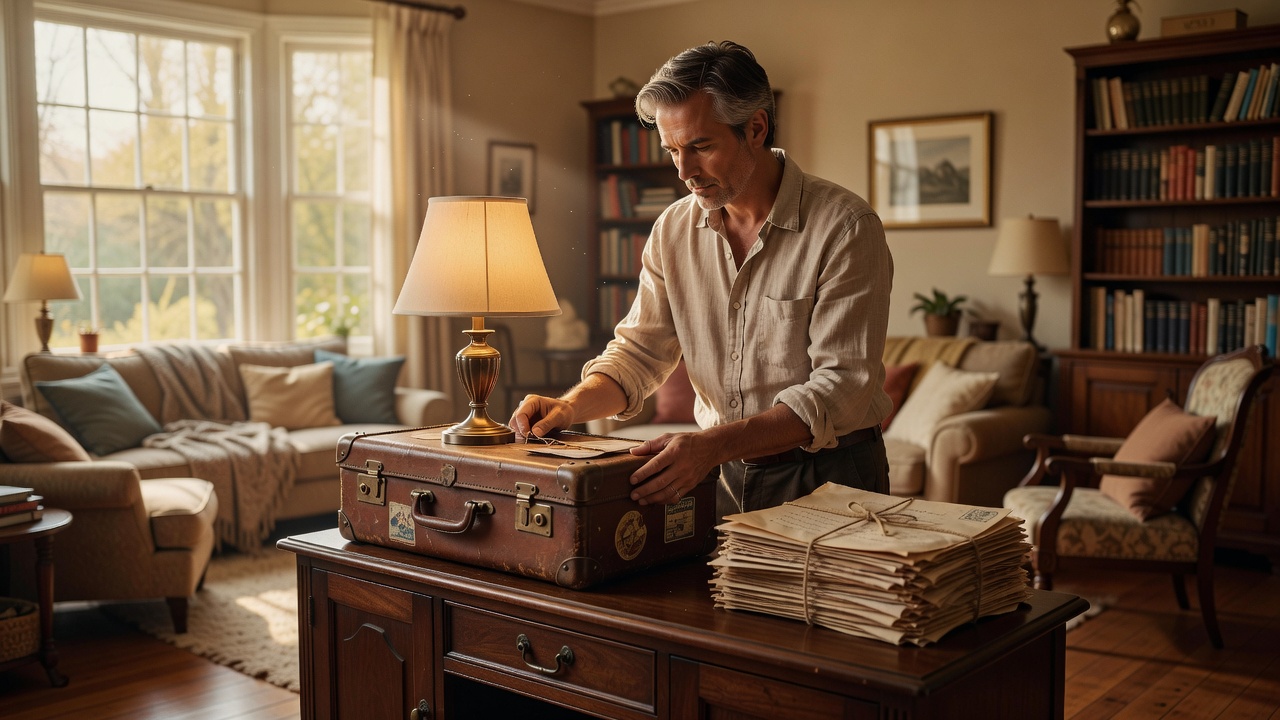
Players remember two kinds of moment: the ones that made them feel clever and the ones that made them feel cheated. Both come from the same place — the gap between what was available and what was required. If the answer was fairly available and players assembled it themselves, you get delight. If it depended on a guess, outside knowledge or a hidden object they had no reason to search for, you get frustration.
So design backwards. Decide on your reveals first — the drawer that opens, the letter that explains the mystery, the final door. Then, for each one, ask: what must players observe, what should they interpret, and what will confirm that they are right? That three-part chain is the same one we teach solvers in Cluecraft.
One puzzle unlocks the next. Easy to build and hint, but a single block stalls the whole team.
Many puzzles available at once, all feeding a final lock. Great for large groups; harder to signpost.
Two or three parallel paths that merge. Most commercial rooms use some version of this — and it suits home groups of four to six especially well, because no one is left waiting.
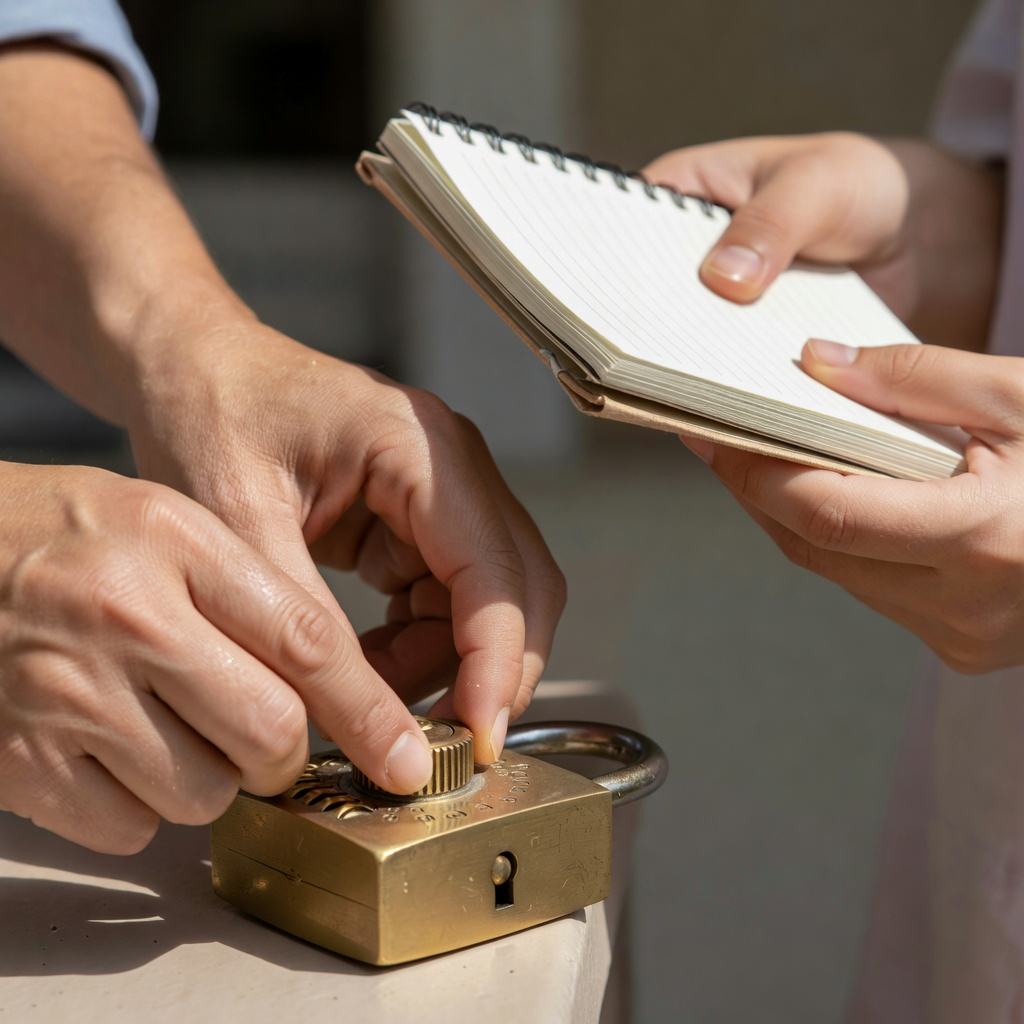
Immersive theatre companies such as Punchdrunk, whose "Sleep No More" ran in New York for over a decade, show how much atmosphere can come from light, sound and carefully dressed spaces. You do not need a budget like that. A consistent era, a handful of real-looking documents and a soundtrack at low volume will carry a living-room game. What breaks immersion is inconsistency: a 1920s study with a plastic combination lock is fine if the lock is explained by the story ("the professor's modern safe"), jarring if it is not.
Keep your story in service of the puzzles. Players should not need to read a four-page diary to find one date. Put long text where it rewards curiosity, and short, clear text where it unlocks progress.
Never truly lock players in. Commercial venues use fail-safe magnetic locks that release if power is cut, keep a usable exit and monitor rooms by camera. In January 2019 a fire at an escape room in Koszalin, Poland, killed five teenagers; nationwide inspections followed and many venues were closed for safety breaches. For home games, keep the room door unlocked, use locks only on boxes and cupboards, avoid candles and keep walkways clear. In the UK, any venue open to the public falls under the Regulatory Reform (Fire Safety) Order 2005.
Write hints in tiers for every puzzle: a nudge that points to the right area, a second that names the connection, and a solution you give only on request. The nested hints on this site follow exactly that pattern. Then playtest with people who have never seen your room, watch silently and note every place they hesitate. Each hesitation is either a missing signpost or a hint you need to write.
A host frames a six-line poem on the wall. The answer to a letter lock is formed by the third letter of each line. Nothing in the room points to "third letter", and playtesters stared at the poem for twelve minutes before giving up.
Run the poem through the fair-clue checklist above. Which item fails?
Players could see the poem but had no way to confirm a method of extracting letters.
The clue is not signposted. A fair fix: add a "3" symbol to the frame that also appears on the lock, or underline the third letter of each line faintly so the method is discoverable and confirmable.
Questions about your own build? Leave a note for the editors — we read every design question, though we never review or rank commercial venues.