The key is usually a separate object
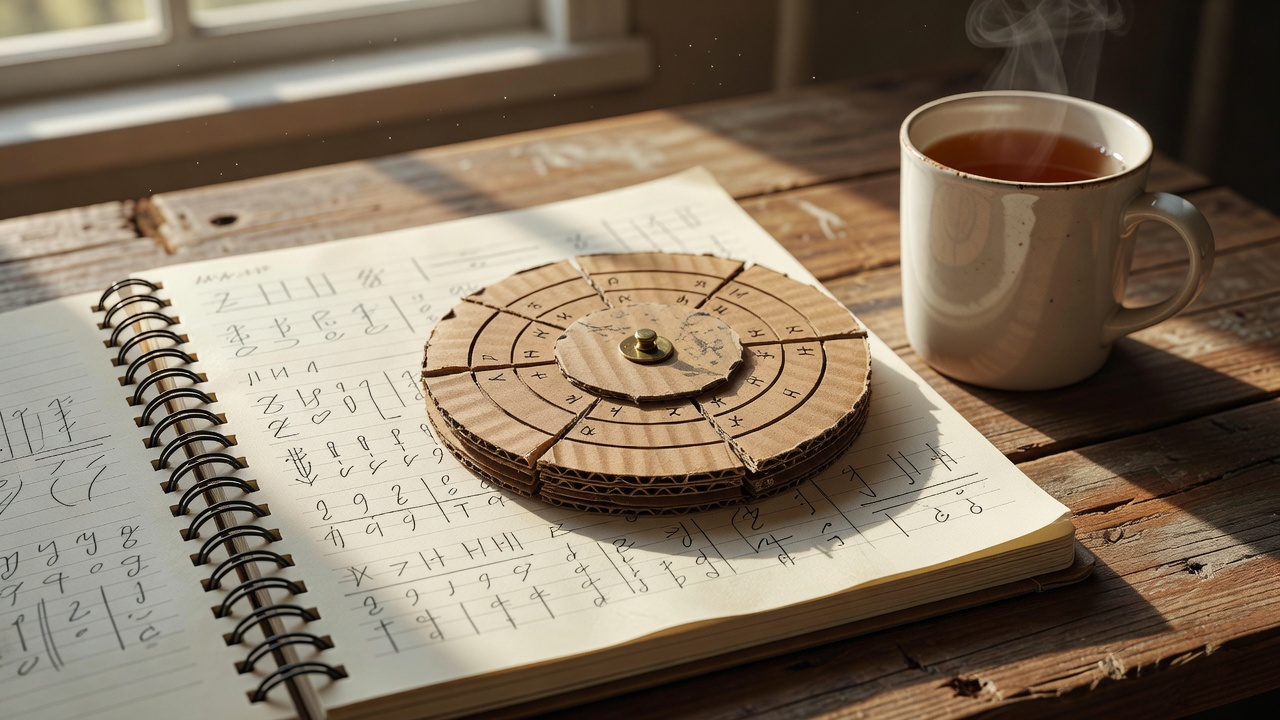
Designers split a cipher puzzle into two halves: the message and the key. That way, finding the message is one achievement and finding the key is another. If you are holding coded text with no obvious way to decode it, the best move is often to stop staring and search for the other half.
Keys tend to sit on objects that would plausibly hold one in the story: the back of a ship's log, the inside of a pocket watch, a sampler embroidered with an alphabet, a reference chart framed as a wall poster. The connection between the two halves is normally a shared symbol, colour or name.
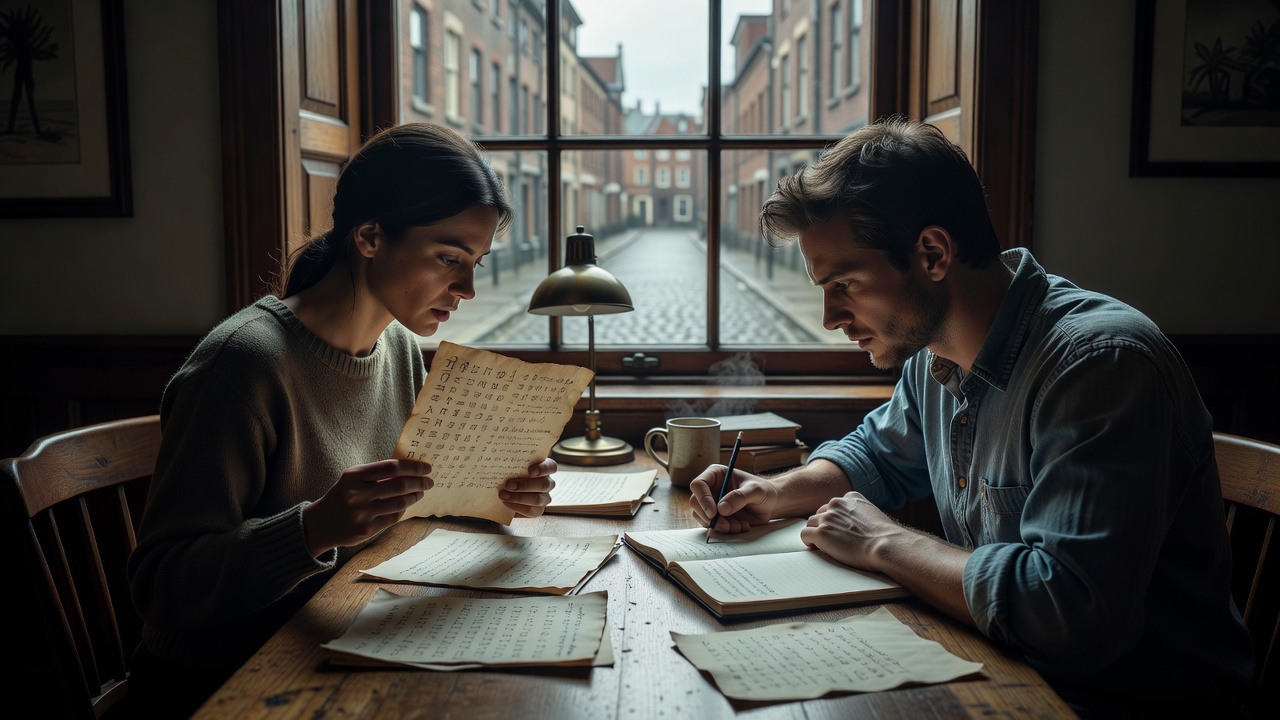
Once both halves are on the evidence table, assign one person to decode and one to write. Decoding aloud while someone else records letters cuts errors dramatically.